

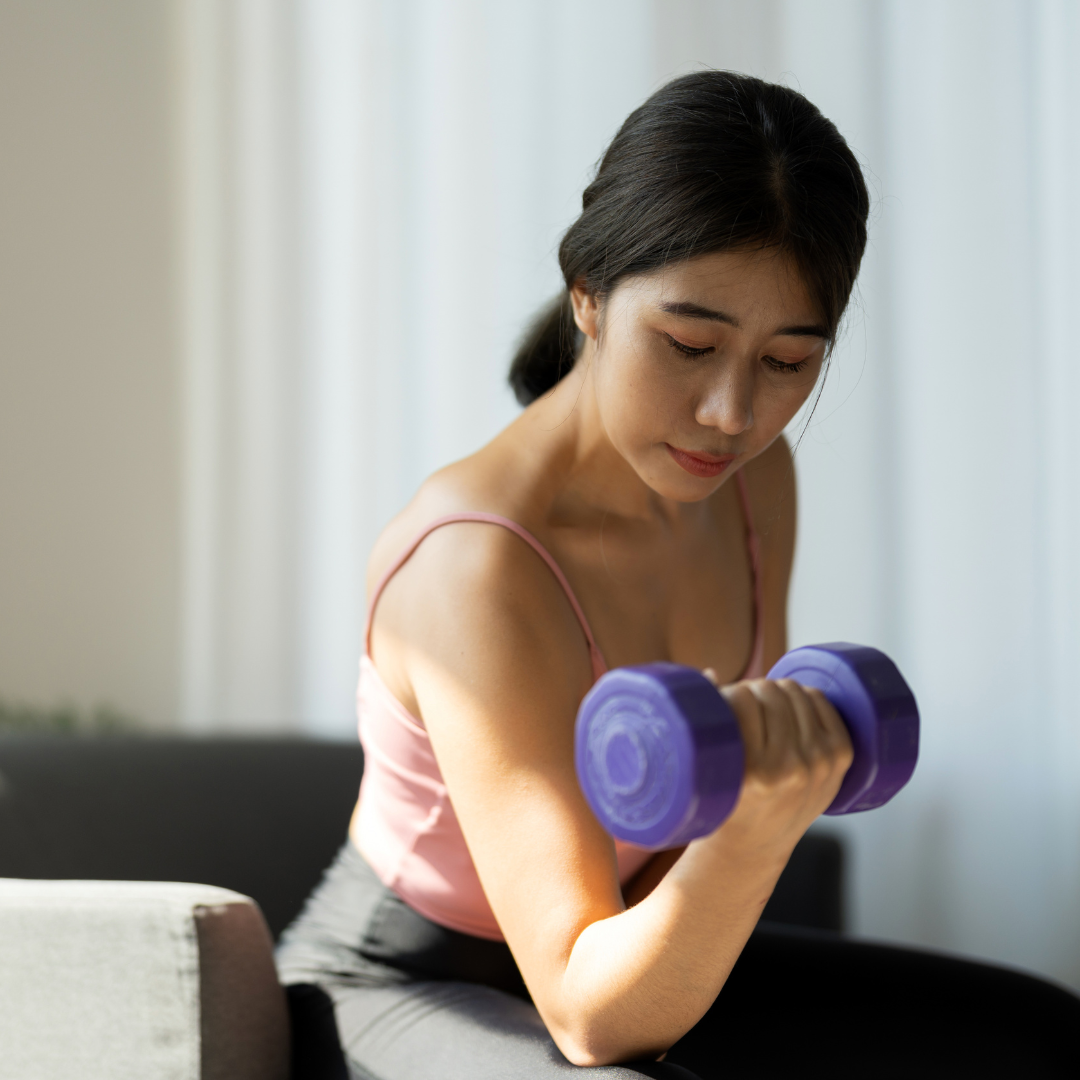
Bodyweight training has gained popularity as an effective way to exercise at home without the need for expensive equipment or gym memberships. Many individuals appreciate the convenience and flexibility that comes with working out in their own space. The primary benefit of bodyweight training is its ability to improve strength, flexibility, and endurance using one’s own body as resistance.
This method allows for a diverse range of exercises, making it suitable for various fitness levels and goals. From push-ups to squats, individuals can easily adapt routines to challenge themselves or focus on specific muscle groups. Furthermore, incorporating bodyweight training into a regular fitness routine can lead to significant improvements in overall health and well-being.
In addition to physical benefits, bodyweight training promotes mental resilience and discipline. Exercising at home enables individuals to create personalized routines that fit their schedules, fostering consistency and motivation. As they progress, they often find themselves developing a deeper understanding of their body and its capabilities.
Key Health Benefits of Bodyweight Training at Home
Bodyweight training at home offers numerous health benefits that contribute to overall fitness. It targets various muscle groups, aids in weight management, and enhances flexibility and balance. Additionally, it supports cardiovascular health and endurance improvements, making it a comprehensive exercise option.
Improved Muscle Strength
Bodyweight exercises effectively build strong muscles by targeting multiple muscle groups simultaneously. Movements like push-ups and squats engage the upper and lower body, promoting strength development through resistance.
This type of training challenges muscles to support their own body weight, which can lead to increased muscle endurance and strength over time. It requires no special equipment, making it accessible for anyone looking to enhance their fitness levels.
Progressions, such as elevating feet during push-ups or adding variations to squats, can further improve strength. This adaptability helps individuals at different fitness levels to continually progress.
Weight Loss and Fat Burning
Engaging in bodyweight training can significantly support weight loss and fat-burning efforts. High-intensity interval training (HIIT) methods can be implemented with bodyweight exercises to maximize calorie burn.
For example, a series of burpees or mountain climbers can elevate heart rates, promoting efficient fat loss.
Moreover, these workouts can be easily integrated into daily routines, allowing flexibility and convenience for individuals striving to manage their weight. As lean muscle mass increases, the body also tends to burn more calories at rest, aiding long-term weight maintenance.
Enhanced Flexibility and Balance
Many bodyweight exercises incorporate dynamic movements that enhance flexibility and balance. Practices like yoga, which can be performed at home, utilize bodyweight to improve muscular elasticity and joint mobility.
Exercises such as lunges and planks engage core muscles, promoting stability and coordination. Over time, these exercises can reduce the risk of injury by increasing overall balance and functional movement patterns.
Regular practice of bodyweight training can lead to improved range of motion in various muscle groups. This flexibility is crucial for daily activities and other forms of physical exercise.
Cardiovascular and Endurance Improvements
Bodyweight training can also enhance cardiovascular fitness and endurance levels. Performing exercises in a circuit format increases heart rate, offering a suitable cardiovascular workout without the need for equipment.
Classes or routines that combine strength movements with cardio bursts can improve aerobic capacity effectively.
This type of training not only promotes a stronger heart but also builds endurance for various activities, from playing sports to hiking. Over time, participants may experience increased stamina, allowing them to perform daily tasks with greater ease and efficiency.
Popular Bodyweight Exercises for Home Workouts
Bodyweight training offers a variety of effective exercises that can build strength and enhance fitness without the need for equipment. This section explores key movements suited for home workouts, emphasizing practical approaches for achieving fitness goals.
Squats and Lunges
Squats and lunges are foundational bodyweight exercises that significantly strengthen the lower body.
- Squats primarily target the quadriceps, hamstrings, and glutes. This movement also engages the core for stability.
- To perform a squat, one must stand with feet shoulder-width apart, lower the body as if sitting back into a chair, and then return to standing.
Lunges work similar muscle groups but also enhance balance and coordination.
- A basic lunge requires stepping forward with one leg, bending both knees to lower the body, and pushing back to the starting position.
- Variations, such as reverse lunges or side lunges, can further diversify the workout and recruit additional muscle fibers.
Both exercises promote muscle mass and are crucial for developing functional movement.
Push-Ups and Planks
Push-ups and planks are excellent upper-body strength exercises that also involve core stability.
- Push-ups engage the chest, shoulders, triceps, and core. They can be modified by altering hand placement or performing them on knees for beginners.
- Standard push-up form involves a flat back, with hands positioned slightly wider than shoulders, lowering the body until the chest nearly touches the floor.
Planks focus on core strength and stability.
- A basic plank is executed by maintaining a push-up position with the body in a straight line. The core must be engaged to prevent sagging hips.
- Variations, like side planks or plank jacks, can increase difficulty and enhance overall core engagement.
Incorporating these two exercises regularly can lead to improved overall strength and endurance.
Pull-Ups and Advanced Variations
Pull-ups are a challenging bodyweight exercise that primarily targets the back, biceps, and shoulders.
- Performing a pull-up requires an overhead grip on a bar, pulling the body upward until the chin clears the bar.
- For those who struggle with full pull-ups, resistance bands can assist, or one can opt for negative pull-ups to build strength gradually.
Advanced variations include muscle-ups and commando pull-ups.
- Muscle-ups combine a pull-up with a dip, requiring significant strength and explosiveness.
- Commando pull-ups involve transitioning from standard pull-up form to a dip position during the ascent.
Both variations demand high levels of strength and coordination and can enhance upper-body definition.
Full-Body and Calisthenics Routines
Full-body and calisthenics routines incorporate multiple bodyweight exercises for a comprehensive workout.
- A standard full-body routine may include squats, push-ups, lunges, and planks performed in succession with minimal rest.
- This method not only boosts strength but also supports cardiovascular fitness through high intensity.
Calisthenics routines often use a combination of exercises that flow smoothly from one to the next.
- For example, a sequence could include burpees, mountain climbers, and dips, providing a dynamic workout that challenges various muscle groups.
- These routines can be adjusted for difficulty by increasing repetitions or incorporating time limits.
Engaging in these routines regularly helps build muscle endurance and enhance overall fitness.
Added Benefits of Exercising at Home
Exercising at home offers unique advantages that enhance fitness routines. Key aspects include convenience, variety, and safety, making home workouts appealing for many.
Convenience and Accessibility
Home workouts eliminate travel time to gyms, making it easier to fit exercises into busy schedules. With no need for special attire or equipment, individuals can exercise whenever it suits them.
Typically, a small space is sufficient for bodyweight exercises, resistance bands, or yoga mats. This accessibility extends to all fitness levels, allowing anyone to start, regardless of previous experience.
Additionally, online resources for guided workouts are widely available, offering structured routines and expert advice. This ease of access helps maintain motivation and consistency.
Variety and Customization
Exercising at home allows for a diverse range of workouts tailored to individual preferences. From bodyweight exercises to resistance bands, individuals can design their routines to target specific goals.
Customization enables people to focus on their unique strengths and weaknesses, enhancing overall workout effectiveness. They can mix cardio, strength training, and flexibility exercises, ensuring a well-rounded approach.
It also removes the pressure of exercising in front of others, allowing individuals to experiment with different styles and techniques. This flexibility fosters a more enjoyable fitness experience.
Injury Prevention and Safety
Safety is a crucial factor in any fitness routine. Exercising at home provides a comfortable environment that minimizes the risk of injury associated with unfamiliar gym equipment or crowded spaces.
Individuals can focus on proper form without distractions, helping improve coordination and technique. By using familiar bodyweight exercises and lightweight resistance bands, they can gradually increase intensity while maintaining control.
Furthermore, at-home workouts allow for better monitoring of fatigue and physical limits. This careful pacing is essential in preventing overtraining and promoting long-term fitness adherence for athletes and fitness enthusiasts alike.