

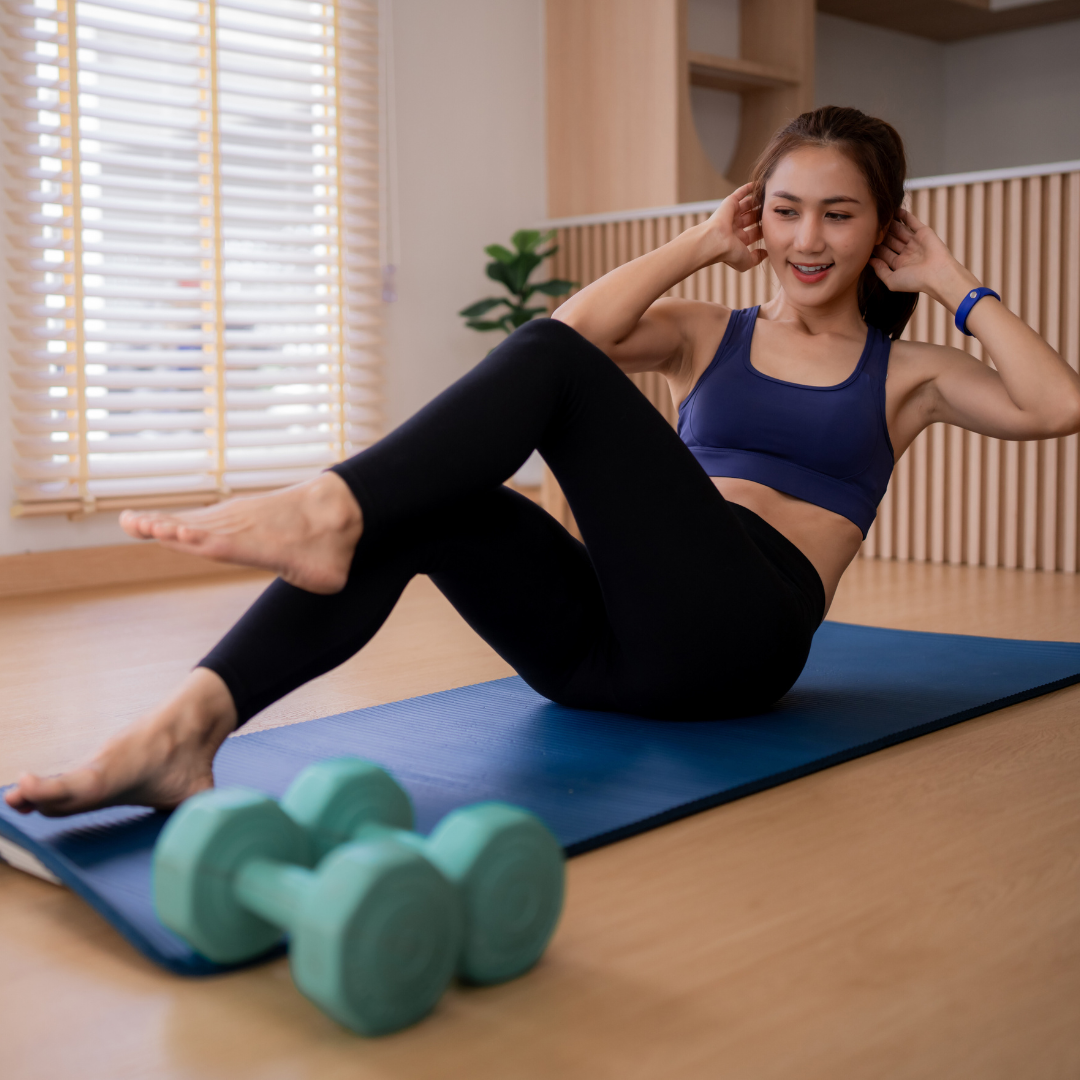
Improving core strength involves targeted exercises that engage the muscles around your abdomen, lower back, and pelvis. Building this foundation supports better posture, balance, and overall physical performance. Effective core training focuses on controlled movements that activate these muscles consistently and progressively.
Simple bodyweight exercises like planks, bridges, and leg raises can boost core strength without the need for equipment. Consistency and proper form are key to making lasting improvements and preventing injury.
Understanding which muscles make up your core and how to work them correctly can help you develop a more stable and resilient body. This guide will break down practical steps to help you strengthen your core effectively.
Understanding Core Strength
Core strength involves more than just abdominal muscles. It encompasses a group of muscles that support posture, balance, and movement. These muscles work together to stabilize the body during daily activities and exercise.
What Is Core Strength
Core strength is the ability of the muscles around your trunk and pelvis to generate force and maintain stability. It includes muscles such as the rectus abdominis, obliques, transverse abdominis, erector spinae, and the glutes.
Strong core muscles help control the spine and pelvis, providing a solid foundation for movement. This strength reduces the risk of injury and enhances performance during physical tasks.
Importance of Core Muscles
Core muscles support spinal alignment and maintain posture while sitting, standing, or moving. They transfer forces between the upper and lower body, improving balance and coordination.
These muscles also protect internal organs by creating a natural brace around the torso. Weak core muscles can lead to lower back pain, poor posture, and decreased functional ability.
Core Stability vs. Core Strength
Core strength refers to the muscle’s ability to exert force, while core stability means maintaining control and balance during movement. Stability is about resisting unwanted motion; strength is about producing movement.
Both are essential for effective body mechanics, but they are trained differently. Stability exercises focus on endurance and balance, whereas strength exercises target muscle power and hypertrophy.
Benefits of Improving Core Strength
Improving core strength impacts daily life and physical activities in specific, measurable ways. It affects how the body maintains balance, protects itself from injury, and performs during athletic events.
Enhanced Posture
A strong core supports the spine and keeps the body aligned, reducing strain on muscles and joints. This leads to better posture, which can decrease back and neck pain.
Maintaining an upright position is easier with a well-developed core, especially during long periods of sitting or standing. This reduces fatigue and prevents slouching, a common cause of muscular imbalances.
Improved posture also affects breathing efficiency. A stable core allows the diaphragm to work properly, which supports oxygen intake and overall body function.
Injury Prevention
Core strength stabilizes the torso, helping to protect the spine and internal organs during movement. This stability decreases the risk of strains and sprains.
With a strong core, the body can better control sudden movements and maintain balance, reducing falls. This is especially important when lifting heavy objects or during activities that require quick changes in direction.
In rehabilitation, core exercise is often recommended to rebuild stability and prevent future injury. It supports safe movement patterns and lessens wear on joints.
Better Athletic Performance
Athletes rely on core strength to generate power and improve coordination. The core acts as a central link between the upper and lower body, allowing efficient force transfer.
Strong core muscles assist with quicker changes in direction, better speed, and greater endurance during sports. This translates directly into improved performance in running, jumping, and throwing.
Core stability also reduces the chance of injury during intense physical activity, supporting consistent training and competition readiness.
Key Core Muscles Involved
The core consists of multiple muscles working together to stabilize and support the spine and pelvis. Each muscle has a specific role in creating strength, controlling movement, and maintaining posture.
Rectus Abdominis
The rectus abdominis is the long, flat muscle running vertically along the front of the abdomen. It is most commonly associated with the “six-pack” appearance. This muscle primarily facilitates spinal flexion, allowing you to bend forward.
It also plays a role in stabilizing the pelvis during movements such as walking or running. Strengthening the rectus abdominis improves power in curling motions and helps protect the lower back from injury.
Exercises like crunches, leg raises, and planks effectively target this muscle.
Obliques
The obliques are split into two parts: external and internal obliques. They lie on the sides of the abdomen, wrapping around the torso. Their main functions include rotating the spine and bending the torso sideways.
The obliques also contribute to compressing the abdominal cavity, which supports spinal stability. Well-developed obliques improve balance and agility.
Movements such as twisting motions, side planks, and bicycle crunches engage these muscles.
Transverse Abdominis
The transverse abdominis is the deepest abdominal muscle, wrapping horizontally around the torso like a corset. It acts as the core’s natural weight belt by compressing the abdominal contents and stabilizing the spine.
This muscle is critical for maintaining internal abdominal pressure and supporting posture during all types of movement. It is often targeted in rehabilitation programs due to its role in preventing lower back pain.
To activate the transverse abdominis, focus on drawing the belly button toward the spine during exercises like plank holds and controlled breathing techniques.
Erector Spinae
The erector spinae group runs vertically along the back, from the lower spine to the upper back. These muscles extend the spine, allowing you to straighten up and maintain an upright posture.
They also assist in side bending and rotation of the spine. Strengthening the erector spinae helps balance abdominal muscles and reduces the risk of back injuries.
Common exercises targeting these muscles include back extensions, superman holds, and deadlifts.
Fundamental Core Exercises
Building core strength involves exercises that engage multiple muscle groups in a controlled manner. Each movement targets stability, coordination, and endurance in the muscles around the abdomen and lower back.
Planks
Planks require holding a straight body position while supporting weight on the forearms and toes. Focus on keeping the spine neutral and hips aligned with the shoulders. Avoid dropping or lifting the hips excessively.
Start by holding the plank for 20-30 seconds, gradually increasing as strength improves. This exercise activates the rectus abdominis, transverse abdominis, and obliques. Maintaining steady breathing and avoiding neck strain enhances effectiveness.
Variations such as side planks increase emphasis on the obliques and improve lateral stability. Consistency and proper form are crucial to prevent injury and to maximize core engagement.
Dead Bug
The dead bug exercise is performed lying on the back, moving opposite arms and legs in a slow, controlled manner. This exercise challenges coordination while maintaining a stable lower back on the floor.
Engage the deep core muscles by pressing the lower back into the ground. Avoid letting the lumbar spine arch during movement. Keeping movements slow prevents momentum from reducing muscle activation.
Start with a few repetitions, aiming for 8-12 per set. Dead bug strengthens core stability and improves motor control, which supports overall posture and reduces the risk of back pain.
Bird Dog
Bird dog involves balancing on hands and knees while extending one arm and the opposite leg simultaneously. This enhances core stability, balance, and spinal alignment.
Focus on keeping the back flat and hips level throughout the motion. Extend limbs without twisting the torso. Hold the position briefly, then return to the starting posture.
This exercise improves coordination between limbs and core, activating the lower back muscles along with the abdominals. Begin with 10-15 repetitions per side to build endurance and control.
Progressive Core Training Techniques
Building core strength requires gradual increases in difficulty and varied movement patterns. Using added resistance, focusing on one side of the body, and incorporating specialized equipment can push your core muscles to adapt and grow stronger.
Increasing Resistance
Adding resistance challenges the core muscles beyond bodyweight exercises. This can be done by holding weights, such as dumbbells or medicine balls, during planks or Russian twists. Weighted vests are also effective for increasing load while performing standard core movements.
Progressively increasing the weight or duration with resistance helps avoid plateaus. Aim to increase weight in small increments, for example, 2 to 5 pounds every two weeks. Maintaining proper form remains critical, as improper technique under resistance can cause injury or reduce effectiveness.
Unilateral Movements
Unilateral exercises engage one side of the body at a time, improving stability and correcting muscle imbalances. Movements like single-arm planks, single-leg raises, or one-sided cable rotations intensify core activation by forcing the body to resist rotation or side bending.
These exercises increase the demand on stabilizing muscles and improve coordination between the torso and limbs. Incorporate unilateral core drills gradually, as they require more balance and control, which may be challenging at first.
Stability Equipment Usage
Using stability tools like balance balls, BOSU trainers, and suspension straps enhances core engagement by creating an unstable surface. This instability forces the core muscles to contract continuously to maintain posture and balance.
For example, performing planks on a stability ball increases activation of deeper stabilizing muscles. Suspension training allows dynamic movements that traditional floor exercises don’t target. Start with basic exercises on these tools before progressing to more complex variations to ensure safety and effectiveness.
| Equipment | Core Benefit | Example Exercise |
| Stability ball | Increased muscle activation | Ball plank |
| BOSU trainer | Balance and strength improvement | BOSU mountain climbers |
| Suspension straps | Dynamic resistance and control | Suspension rollouts |
Designing an Effective Core Routine
Building core strength requires a specific balance of workout frequency, selecting the right exercises, and allowing proper recovery. These elements must align to maximize gains while preventing injury and fatigue.
Frequency and Duration
Core training should be performed 3 to 4 times per week to ensure consistent stimulus without overtraining. Each session can last 15 to 30 minutes, depending on intensity and exercise complexity.
Shorter, focused sessions are more effective than long, unfocused routines. Avoid daily heavy core training to allow muscles time to repair and grow. Incorporating core work into other workouts, such as strength or cardio days, can optimize overall fitness without excessive volume.
Exercise Selection
A balanced core routine targets all major muscles: rectus abdominis, obliques, transverse abdominis, and lower back. Exercises should include:
- Planks: static hold for endurance
- Russian twists: rotational movement for obliques
- Leg raises: lower abdominal focus
- Superman holds: lower back activation
Use a mix of isometric holds and dynamic movements. Progress by increasing difficulty, such as weighted planks or hanging leg raises. Avoid exercises that cause pain or strain the neck and lower back.
Recovery Strategies
Muscle recovery is essential for strength gains. After core workouts, allow 24-48 hours of rest before targeting the same muscle groups again. Use active recovery methods like light stretching or walking to reduce soreness.
Adequate sleep (7-9 hours) and proper hydration play key roles in muscle repair. Foam rolling or self-massage can help ease tension. If experiencing persistent pain, reduce intensity or consult a professional to avoid injury.
Common Mistakes to Avoid
Mistakes often reduce the effectiveness of core strength exercises and increase injury risk. Paying attention to form, recovery, and muscle balance is crucial for steady progress and safety.
Poor Technique
Using incorrect form during core exercises can strain the back and neck while limiting results. For example, in planks, dropping the hips too low or raising them too high shifts the load away from the core muscles.
Avoid holding your breath; consistent breathing supports muscle engagement and endurance. When performing crunches or sit-ups, ensure the movement comes from the core, not the neck, to prevent discomfort.
Using mirrors or filming yourself helps identify form errors. It is better to perform fewer reps with perfect technique than many with poor form.
Overtraining
Excessive core workouts without adequate rest can cause muscle fatigue and decrease strength gains. Overtraining leads to soreness, reduced performance, and potential injury.
Schedule rest days between intensive sessions. Core muscles, like any other muscle group, need time to recover and repair.
Balance core training frequency around 2-4 times per week, depending on intensity and your fitness level. Avoid daily exhaustive sessions that compromise recovery.
Neglecting Supporting Muscles
Focusing only on the abs ignores other critical muscles like the lower back, obliques, and hips. This imbalance can cause posture issues and strain.
Incorporate exercises such as bird dogs, side planks, and hip bridges. These target the deeper stabilizing muscles supporting core function.
Strength in supporting muscles improves overall stability and enhances performance in both daily activities and workouts. Comprehensive core training prevents weaknesses and reduces injury risk.
Lifestyle Factors That Impact Core Strength
Core strength is affected not only by exercise but also by how you fuel your body, move throughout the day, and recover during rest. These factors work together to support muscle development, maintain posture, and optimize overall function.
Nutrition for Muscle Development
Consuming adequate protein is essential for repairing and building core muscles. Aim for 1.2 to 2.0 grams of protein per kilogram of body weight daily, sourced from lean meats, dairy, legumes, and nuts.
Hydration also plays a role in muscle performance and recovery. Drinking water consistently throughout the day helps maintain muscle elasticity and prevents cramping during workouts.
In addition to protein, include micronutrients like magnesium, vitamin D, and calcium to support muscle contraction and nerve function. Avoid excessive processed foods and sugary drinks, as they can impair muscle recovery and contribute to fatigue.
Ergonomics and Daily Habits
Posture influences core strength by determining how much your muscles engage during routine activities. Sitting with a straight back and using ergonomic chairs reduces unnecessary strain on abdominal and lower back muscles.
Incorporate regular movement breaks if you have a sedentary job. Standing, stretching, or light walking every 30 to 60 minutes helps maintain muscle activation and prevents weakening of the core.
Proper lifting techniques—bending at the knees instead of the waist—protect the spine and engage the core effectively. Using supportive footwear and maintaining balance while standing or walking can further enhance core stability.
Quality Sleep
Muscle repair and growth largely occur during deep sleep stages. Aim for 7 to 9 hours of uninterrupted sleep each night to maximize recovery and hormonal regulation.
Poor sleep quality reduces levels of growth hormone and testosterone, both crucial for muscle synthesis. It can also increase cortisol, a hormone that breaks down muscle tissue.
Establish a consistent sleep schedule and create a dark, quiet environment. Avoid screens and caffeine before bedtime to improve sleep quality and strengthen core muscles indirectly through better recovery.
Monitoring Progress and Setting Goals
Measuring your improvements and establishing achievable targets are essential steps in enhancing core strength. It helps maintain motivation and ensures steady development through consistent evaluation and planning.
Tracking Core Strength Improvements
To effectively track core strength, use quantifiable measures like planks, leg raises, or medicine ball tosses. Record duration, repetitions, or distance weekly. For example, hold a plank for 30 seconds in week one and increase that time gradually.
Maintain a workout journal or use a fitness app to log your results. Periodic strength tests—such as max reps of sit-ups in one minute—can show progress over time. Visual feedback, like photos or videos, offers insight into posture and form improvements that numbers might miss.
Biweekly or monthly check-ins help identify plateaus early, allowing adjustments to exercise intensity or variety for continued gains.
Setting Realistic Milestones
Set clear, measurable, and time-bound goals to avoid frustration. Break long-term achievements into short, manageable milestones like increasing plank time by 10 seconds every two weeks.
Use the SMART criteria:
- Specific: “Improve plank hold time.”
- Measurable: “By 10 seconds per milestone.”
- Achievable: Based on current fitness level.
- Relevant: Directly improves core strength.
- Time-bound: Within four weeks.
Regularly review goals to adjust for improvements or challenges. Celebrate small wins to sustain motivation and maintain focus on realistic, incremental progress.
Adapting Core Workouts for Different Needs
Core workouts should match individual abilities and goals. Adjustments in intensity, complexity, and focus ensure effective and safe strengthening.
Beginners
Start with basic exercises that build foundational strength without strain. Focus on movements such as pelvic tilts, bird-dogs, and modified planks.
Perform each exercise slowly, emphasizing controlled breathing and stability. Aim for 2-3 sets of 8-12 repetitions with ample rest.
Avoid loading the spine or rushing through reps. Use cushions or mats for comfort, especially when on hard surfaces. Gradually increase difficulty as strength and confidence improve.
Athletes
Athletes require dynamic core training that supports power, balance, and endurance. Incorporate rotational exercises, weighted planks, and stability ball work.
Prioritize functional movements that transfer to sport-specific skills. Include explosive exercises like medicine ball throws and cable rotations.
Workouts should cycle between strength, agility, and endurance phases. Monitor fatigue closely to prevent overtraining and maintain peak performance.
Older Adults
Core workouts for older adults focus on maintaining mobility, posture, and injury prevention. Gentle, low-impact exercises like seated marches and modified bridges are key.
Emphasize balance and flexibility within the core routine. Avoid high-impact or high-intensity moves that stress joints.
Consistency matters more than intensity. Incorporate breathing exercises and posture alignment drills to support daily activities safely.
Conclusion
Improving core strength requires consistent effort and attention to proper technique. Progress may be gradual, but regular practice enhances stability, balance, and overall functional fitness.
Incorporating a variety of exercises ensures that all major core muscles are engaged. This balanced approach reduces the risk of injury and supports better posture.
Key points to remember:
| Action | Benefit |
| Consistency | Builds strength over time |
| Proper form | Prevents strain and injury |
| Variety in exercises | Targets all core muscles |
| Gradual progression | Avoids overtraining |
Use bodyweight exercises, resistance training, or pilates as suits your goals. Always listen to your body, allowing for rest and recovery when needed.
Improved core strength supports everyday movement and athletic performance. Maintaining a strong core contributes to long-term health and physical resilience.