

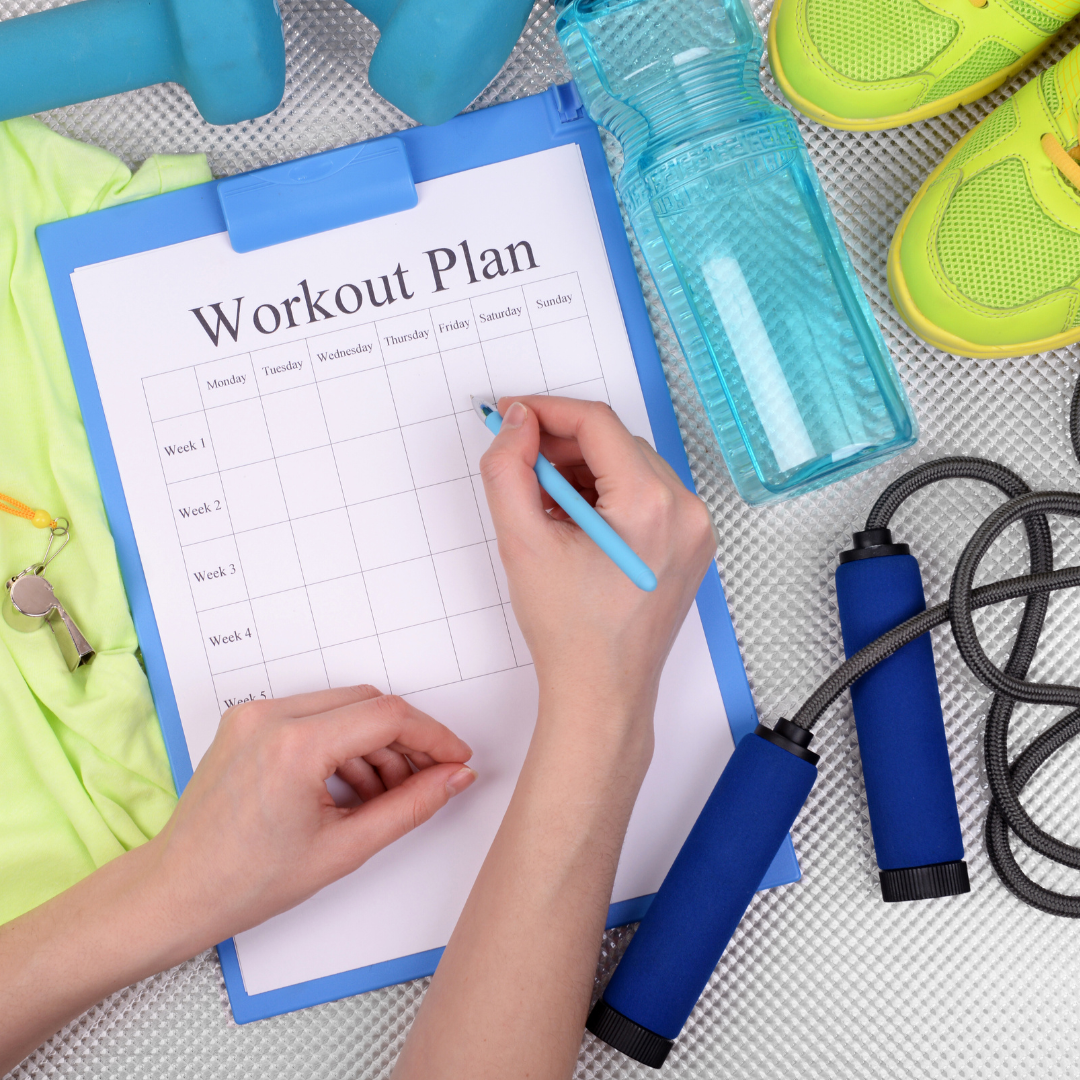
Busy schedules often leave little room for exercise, making it challenging to maintain a consistent workout routine. A workout plan for busy people focuses on short, efficient sessions that maximize results without requiring hours at the gym.
By prioritizing high-impact exercises and integrating physical activity into daily tasks, even tight schedules can accommodate regular movement. This approach helps improve fitness without sacrificing valuable time.
These plans emphasize flexibility, allowing adjustments based on your individual availability and energy levels. Adopting this mindset can make fitness manageable and sustainable despite a hectic lifestyle.
How to Structure Workout Plans for Busy People
Effective workout plans for busy individuals require clear goal setting, adaptable scheduling, and a focus on workouts that deliver the most benefit in the shortest time. Balancing these elements ensures progress without overwhelming your daily routine.
Identifying Fitness Goals with Limited Time
Start by defining specific, measurable goals like increasing strength, improving cardiovascular health, or boosting flexibility. When time is scarce, focus on one or two priorities to avoid spreading efforts too thin.
Set realistic expectations for progress given your schedule. For example, aim to improve endurance through 20-minute high-intensity sessions instead of longer moderate workouts. Tracking progress weekly helps maintain motivation and adjust as needed.
Clearly defined goals guide workout choices, making limited time more productive. Avoid generic plans; tailor your workouts to what matters most to you.
Balancing Consistency and Flexibility
Consistency is essential, but rigid schedules can lead to burnout or missed sessions. Structure workouts around time slots you can realistically commit to, such as early mornings or lunch breaks.
Use a flexible approach: if you miss a planned day, fit in a shorter session later or swap workout types. Consider having two plan options—one for days with more time and a backup 10-15 minute routine.
Build habits with simple daily activities like stretching or bodyweight exercises when full sessions aren’t possible. This balance helps maintain momentum while adapting to unexpected demands.
Prioritizing Effective Workouts
Focus on exercises that engage multiple muscle groups and raise heart rate simultaneously. Compound movements like squats, push-ups, and kettlebell swings maximize efficiency.
Incorporate interval training to increase calorie burn and cardiovascular benefits in less time. For example, alternate 30 seconds of intense effort with 30 seconds of rest for 15-20 minutes.
Limit workouts to 3-4 sessions per week, allowing recovery and avoiding fatigue. Prioritize quality over quantity by emphasizing form and intensity rather than duration.
Key Principles for Efficient Workouts
Efficient workouts rely on focused effort, strategic pacing, and wise time use. Prioritizing intensity and reducing downtime during sessions helps maximize physical gains in limited periods.
Maximizing Results in Short Sessions
Short workouts demand a clear plan. Concentrate on compound movements like squats, deadlifts, and push-ups to engage multiple muscle groups simultaneously. This approach provides the biggest return on time invested.
Using supersets or circuits can increase calorie burn and muscle engagement. For example, pairing a lower-body exercise with an upper-body move reduces total workout time without sacrificing quality.
Tracking progress by recording sets, reps, and weights ensures continual improvement. Adjust intensity regularly to avoid plateaus and to maintain effectiveness in brief workouts.
Importance of Intensity Over Duration
High-intensity training raises heart rate and stimulates muscle growth faster than longer, low-intensity sessions. Target 70-85% of your maximum heart rate during cardio or resistance work.
Focus on controlled, challenging movements rather than extending workout length. This strategy improves cardiovascular fitness and strength efficiently, ideal for time-constrained schedules.
Tools like interval timers or apps can help maintain consistent intensity. Push hard during work phases, then use brief recovery periods to maximize workout impact.
Minimizing Rest and Maximizing Movement
Limiting rest keeps the workout pace steady and the body engaged. Aim for 15-30 seconds between sets or exercises to maintain an elevated heart rate and metabolic rate.
Active rest, such as light jogging or dynamic stretching, prevents stiffness while preparing muscles for the next effort. This approach promotes better endurance and calorie burn.
Plan exercises to alternate muscle groups, allowing one area to recover while another works. This reduces total rest needed and keeps sessions compact and productive.
Types of Quick and Effective Workouts
Efficient workouts maximize calorie burn and muscle engagement in a limited time. These routines focus on intensity, full-body movement, and minimal equipment to fit busy schedules.
High-Intensity Interval Training (HIIT) Routines
HIIT alternates short bursts of intense exercise with brief rest periods. This method boosts metabolism and improves cardiovascular fitness in as little as 15-20 minutes.
A typical HIIT session might include 30 seconds of sprinting followed by 30 seconds of walking, repeated for several rounds. Exercises like jumping jacks, burpees, and mountain climbers fit well into HIIT due to their high energy demand.
The key benefits are increased fat burning and time efficiency. Equipment is optional, making HIIT adaptable for home or gym settings.
Full-Body Circuit Workouts
Circuit training targets multiple muscle groups with exercises performed back-to-back, minimizing rest. These workouts combine strength and cardio, usually lasting 20-30 minutes.
A sample circuit might include squats, push-ups, lunges, and plank holds. Completing each exercise for 45 seconds before moving on keeps the heart rate elevated.
This format helps build muscle endurance and maintain calorie burn after the workout ends. Moderate weights or bodyweight can be used, depending on skill level.
Bodyweight Exercises for Convenience
Bodyweight exercises require no equipment, making them ideal for quick routines anywhere. Movements like push-ups, squats, and planks engage core and large muscle groups effectively.
They improve strength, flexibility, and balance without gym access. A simple sequence of 3-4 exercises done in sets can fit a 10-15 minute window.
Progressions or combinations increase difficulty over time, keeping workouts challenging. This approach supports consistent activity despite hectic days.
Sample Weekly Workout Schedules
Efficient workout plans fit into tight schedules by focusing on essential exercises and time management. These routines balance strength, cardio, and flexibility with practical time commitments.
Three-Day Workout Plans
A three-day workout plan suits those with limited availability but aims to improve overall fitness. Each session targets major muscle groups with compound movements like squats, deadlifts, and push-ups.
Day 1: Lower body and core
Day 2: Upper body strength
Day 3: Full-body conditioning and cardio
Workouts last 45-60 minutes, allowing recovery days. This schedule emphasizes quality over quantity and can increase strength, endurance, and mobility efficiently.
Five-Day Micro Workouts
Five-day plans focus on short, daily sessions lasting 20-30 minutes. These micro workouts fit into breaks or mornings, including bodyweight exercises or light weights.
Example breakdown:
- Monday: Upper body
- Tuesday: Lower body
- Wednesday: Core and balance
- Thursday: Cardio intervals
- Friday: Mixed mobility and flexibility
This approach builds consistency through manageable chunks, avoiding burnout and encouraging daily movement without requiring long gym visits.
Desk-Friendly Exercise Ideas
For busy individuals tied to desks, exercises that integrate movement into workdays help maintain activity levels. These include chair squats, seated leg lifts, and desk push-ups.
Try schedules like:
- Every hour: 2 minutes of stretching or light movement
- Mid-morning and mid-afternoon: 5 minutes of bodyweight exercises
Incorporating standing meetings or short walking breaks also improves circulation. These habits reduce sedentary time without needing extra equipment or time changes.
Tips for Staying Consistent with a Busy Lifestyle
Staying consistent requires practical scheduling, overcoming unexpected obstacles, and maintaining motivation through visible progress. Adapting workouts to existing habits and tracking results can turn fitness into a manageable routine, even with limited time.
Incorporating Workouts into Daily Routines
Fit short exercise sessions into moments already reserved for other tasks. For example, perform bodyweight exercises during TV commercials or stretch while waiting for meals to cook.
Scheduling workouts at the same time every day, such as early mornings or lunch breaks, helps build a habit. Use reminders or calendar alerts to stay accountable.
Grouping activities, like walking or cycling to work, doubles as transportation and exercise. Consistency improves when workouts feel like a natural part of the day rather than an add-on.
Overcoming Common Time Barriers
Lack of time is the leading obstacle. Break workouts into 10-15 minute segments if longer sessions aren’t feasible. High-intensity interval training (HIIT) offers effective exercise in brief periods.
Prioritize tasks by assessing what can be delayed or delegated to free time for physical activity. Setting clear boundaries, such as “no phone during workout,” minimizes distractions.
Keep workout gear accessible at home or work to avoid excuses. Planning workouts ahead, including backup options for travel or busy days, ensures fewer missed sessions.
Tracking Progress and Staying Motivated
Use apps or simple journals to log workouts, noting duration, type, and intensity. Visual progress encourages consistency by showing tangible results.
Set measurable goals, like improving reps or increasing weights incrementally. Celebrate small achievements to maintain motivation without relying on distant outcomes.
Incorporate variety to prevent boredom—for example, alternate strength and cardio days. Joining online communities or workout challenges can add accountability and social support.
Nutrition and Recovery for Time-Strapped Individuals
Effective nutrition and recovery are essential to maintain energy and support workout progress when time is limited. Prioritizing efficient meal preparation and quick restorative methods can help optimize results without adding stress.
Simplified Meal Planning Strategies
Focus on preparing meals that require minimal cooking but provide balanced nutrition. Batch cooking proteins like chicken, tofu, or beans once or twice a week saves time and ensures easy meal assembly.
Use versatile ingredients such as frozen vegetables, whole grains, and pre-washed greens. Keep a list of quick meal combos, like grain bowls or salads with protein and healthy fats.
A basic meal framework could look like:
| Component | Examples |
| Protein | Grilled chicken, lentils |
| Carbs | Brown rice, quinoa, sweet potato |
| Vegetables | Steamed broccoli, mixed greens |
| Healthy Fats | Olive oil, avocado, nuts |
Incorporate snacks like Greek yogurt or nuts to sustain energy between meals. Hydration is also key—drink water consistently throughout the day.
Quick Recovery Techniques
Prioritize sleep by aiming for 7–8 hours per night, as it significantly affects muscle repair and overall energy. If full nights aren’t possible, short naps (20-30 minutes) can aid recovery.
Apply methods like foam rolling or light stretching immediately after workouts to reduce muscle tightness. Contrast showers or cold water exposure for a few minutes may also help minimize soreness.
Focus on nutrition for recovery: consume a protein-rich snack within 30 minutes post-workout to support muscle repair. Creatine and omega-3 supplements can be beneficial but are optional.
Keep recovery routines simple and consistent to complement busy schedules.
Adjusting Plans for Changing Schedules
Busy lifestyles often require workout plans to be flexible and adaptable. Adjustments can help maintain consistency despite unexpected demands or shifting priorities.
Strategies for Staying Flexible
Create a priority list of workouts based on time and intensity. For example, if limited to 15 minutes, opt for high-intensity interval training (HIIT) instead of longer cardio sessions. Keep a “go-to” list of quick exercises such as bodyweight squats, push-ups, or planks.
Use a calendar app to track time blocks for workouts, but be ready to move sessions around. If a morning workout is missed, fit it in later in the day, even if shorter. Communicate with family or coworkers to protect workout times when possible.
Prepare alternate workout locations or tools. If the gym isn’t accessible, having resistance bands or a set of dumbbells at home ensures the routine can continue without interruption.
Long-Term Success with Evolving Routines
Reassess workout plans monthly to reflect changes in work hours, travel, or family obligations. Adjust goals based on current energy levels and available time, lowering expectations during busier weeks to avoid burnout.
Incorporate a mix of exercise types to stay engaged and cover different fitness aspects despite schedule shifts. For example, alternate strength training, flexibility work, and cardio, depending on the day’s time constraints.
Track progress with simple notes or apps to identify patterns where schedule conflicts occur most often. This data can inform better timing choices and routine tweaks, helping sustain effort over months or years.
Recommended Tools and Resources
Efficient tools and targeted resources can simplify fitting workouts into a busy schedule. Technology and compact equipment help maximize time and flexibility without needing a full gym.
Apps for Short Workouts
Several apps focus on workouts that last 10-20 minutes, perfect for tight schedules. 7 Minute Workout and Nike Training Club offer guided routines requiring little to no equipment. Both include customizable intensity levels and clear video instructions.
Apps like Adidas Training provide quick strength, cardio, and stretching workouts that can be filtered by time and focus area. Many allow offline access, useful when traveling or in low-connectivity areas.
Key features to look for include progress tracking, workout reminders, and community support. These features improve consistency and motivation for busy users.
Equipment for Home and Travel
Small, versatile equipment supports effective workouts without bulky gear. Resistance bands are lightweight, inexpensive, and suitable for strength and flexibility exercises. They easily fit into bags for travel.
A compact set of dumbbells or adjustable kettlebells can add intensity at home. For cardio, a jump rope is a convenient tool that requires minimal space.
Consider equipment that supports multiple workouts and is durable for frequent use. Prioritize items that are easy to store and transport to keep workout routines flexible.